Self-driving,
explained.
I teach what Tesla's Full Self-Driving actually does, using real scenarios from behind the wheel instead of a marketing page — how it drives, what it's built to handle, and how to use it with confidence.
Every current Tesla driver-assist system — Autopilot through FSD (Supervised) — requires an attentive driver, every mile.
Logged on FSD (Supervised) as of early 2026, over 3 billion of them on city streets.
Autopilot, Enhanced Autopilot, and FSD (Supervised) are not the same product — and buyers routinely mix them up.
What is Tesla Full Self-Driving?
Tesla has sold driver-assistance under three overlapping names since 2016. Here's what each one actually unlocks in 2026 — for new cars, not the used-market patchwork you'll see on older Teslas.
FSD (Supervised)
Top tier · city + highway- City-street driving, turns, and lane choice
- Traffic light & stop-sign response
- Smart Summon & continuous OTA improvement from fleet data
Autopilot
Included · highway-focused- Traffic-Aware Cruise Control
- Autosteer lane-centering (bundled into FSD on new 2026 orders)
- Automatic Emergency Braking & forward collision warning
Enhanced Autopilot
No longer sold new- Navigate on Autopilot (highway interchanges & exits)
- Auto Lane Change
- Autopark & Smart Summon
Types of vehicles you can buy
Tesla's lineup narrowed sharply in 2026. Here's what's actually in production, what's gone, and what you can't buy at all.
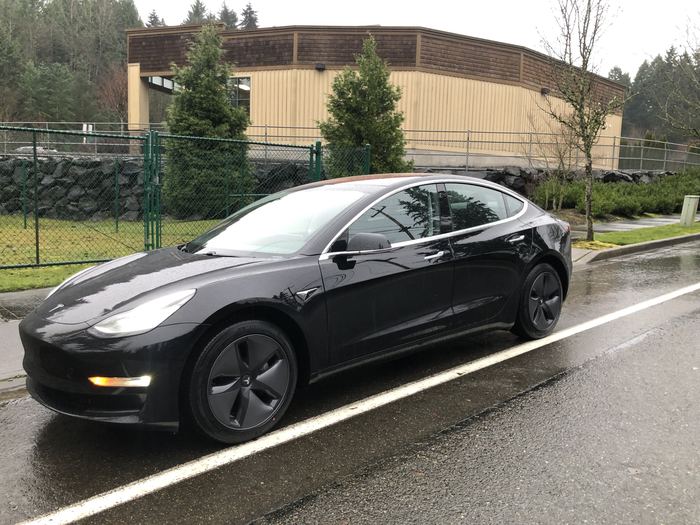
Model 3
Tesla's compact sedan and highest-volume vehicle. Single- and dual-motor configurations, FSD-eligible on every trim.
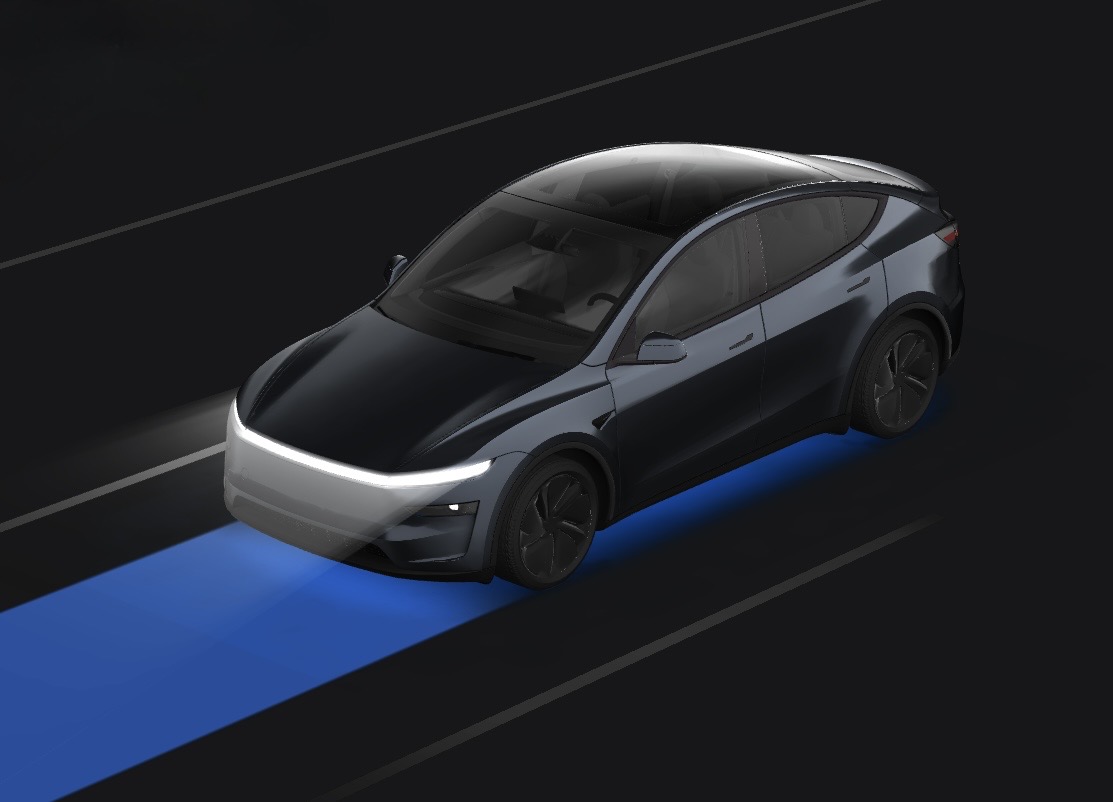
Model Y
The best-selling Tesla globally. A six-seat, three-row Model Y L variant joined the lineup in mid-2026 for larger families.
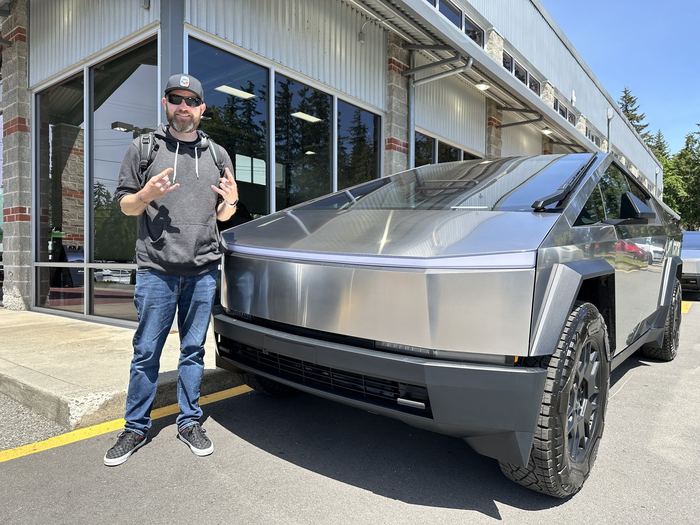
Cybertruck
Stainless-steel pickup on a structural battery pack, up to 350 kW DC fast charging. Three trims, including the tri-motor Cyberbeast.
Model S
Tesla's original flagship sedan. Production ended in 2026 as the Fremont factory shifted toward Optimus robot manufacturing — used inventory only from here.
Model X
The falcon-wing SUV retired alongside the Model S. Existing owners keep service and software support; new units are used-market only.
Cybercab
A two-seat autonomous concept built for Tesla's robotaxi network. You won't buy one — you'll hail it, starting in select cities.
Hardware versions
FSD (Supervised) needs the FSD computer, HW3 or newer. Upgrading older hardware isn't always free or guaranteed — confirm compatibility before you buy, especially used.
Subscription vs. purchase
Tesla ended the one-time FSD purchase for new buyers in February 2026. FSD (Supervised) is now subscription-only — around $99/month, roughly $49/month if the car previously had Enhanced Autopilot.
Buying used
Package names don't tell the whole story. A used Tesla might carry no driver-assist software, legacy Enhanced Autopilot, or FSD that transfers with the car. Verify what's active in the car's own menu, not just the listing.
Safety stats
Tesla publishes this data itself, so it deserves context, not just headlines. Here's what's reported, and what to weigh against it.
Read this before you trust the headline numbers
- Tesla's own systems generate this data — there's no independent audit, and NHTSA and outside safety researchers have publicly challenged the comparison methodology.
- The comparisons don't fully control for road type, driver demographics, or crash-severity thresholds, so "times safer" headline figures are softer than they sound.
- Crash counts likely undercount the most severe incidents, since a severe enough crash can disable the car's telemetry before it reports home.
- Every number describes a supervised human plus software — not autonomous software driving alone. That distinction is the reason this site exists.
Active safety, regardless of subscription
Automatic Emergency Braking
Brakes to reduce or avoid a collision if a hazard appears ahead.
Forward Collision Warning
Visual and audible alert when a frontal crash risk is detected.
Blind Spot Collision Warning
Flags vehicles in adjacent lanes during lane changes.
Lane Departure Avoidance
Gentle steering correction if the car drifts without a signal.
Sources: Tesla Vehicle Safety Report & FSD Safety Hub; NHTSA/FHWA national crash data. Figures are snapshots reported by Tesla and are updated quarterly — check tesla.com/fsd/safety for the current release.
Bring autonomous-vehicle literacy to your driveway, dealership, or classroom.
I help new Tesla owners, parents of teen drivers, and schools understand what these systems actually do — grounded in real experience running a fleet of FSD-equipped Teslas, not marketing copy.
1:1 Buyer Consultations
Considering a Tesla, or already own one? A working session on exactly what your hardware and software package supports.
Workshops & Training
For schools, driving programs, and community groups — practical sessions on what autonomous driver-assist can and can't do.
Speaking Engagements
Conference and panel appearances on Tesla FSD, teen driver safety, and the realistic state of autonomous vehicles.
Who's behind Start Self-Driving
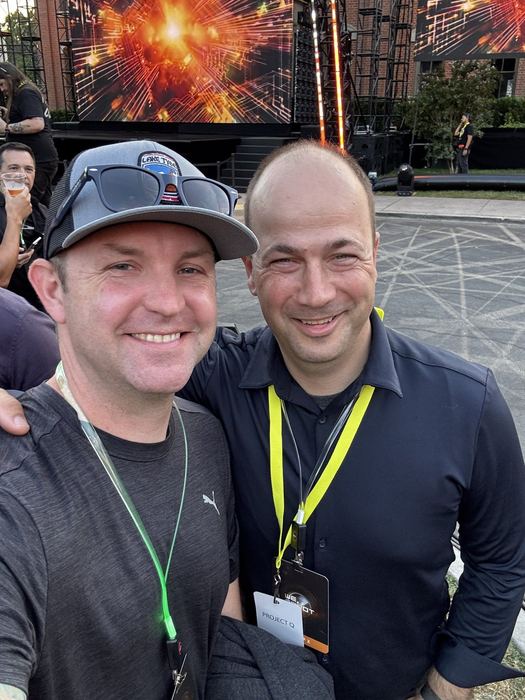
I've spent the last two decades at a Seattle-area school — first as property manager keeping the campus itself running, then moving into IT leadership as the systems got more complex. It's the kind of job that teaches you to translate complicated systems into something a worried parent or a skeptical school board can actually use, which turned out to be exactly the skill this site needed.
Before that, I worked as an audio engineer and event coordinator around Seattle, after training in audio production at the Art Institute of Seattle. Start Self-Driving grew out of teaching teens to drive at a moment when the car itself is doing more of the driving — and out of literally running and monitoring a small fleet of FSD-equipped Teslas day to day, not just reading the spec sheet.
In school facilities management and IT leadership.
Started in live audio and event production before moving into school technology.
Teen driver education and Tesla FSD buyer consulting.